Mentor Shipwreck Excavation Programme
Kythera, Greece — 2023
The Mentor
A Shipwreck Connected to the Parthenon Sculptures
The brig Mentor sank off Kythera in September 1802 while sailing from Piraeus toward Malta.
Among its cargo were antiquities removed from Athens by agents working for Thomas Bruce, 7th Earl of Elgin, including part of the collection now commonly known as the Parthenon or Elgin Marbles.
Although much of that cargo was subsequently recovered in salvage operations following the sinking, the wreck itself remained on the seabed.
Modern archaeological investigation of Mentor has revealed that the site has much more to tell us than the famous cargo it once carried.
Research into the wreck can provide information about the vessel itself, its passengers and crew, personal possessions, trade and maritime activity, and life aboard an early 19th-century Mediterranean sailing vessel.
The archaeological value of Mentor extends beyond what was being transported aboard it. The wreck is itself an archaeological site.
The wreck of the brig Mentor lies off the island of Kythera, Greece, where it has been the subject of ongoing archaeological investigation by the Ephorate of Underwater Antiquities of the Hellenic Ministry of Culture.
In 2023, members of the Hellenic Archaeological Exploration Society (HAES) participated in the archaeological expedition, continuing our commitment to supporting archaeological research and the documentation of Greece's underwater cultural heritage.
Ilios Remote Sensing is a proud sponsor and technical supporter of HAES and its archaeological initiatives.
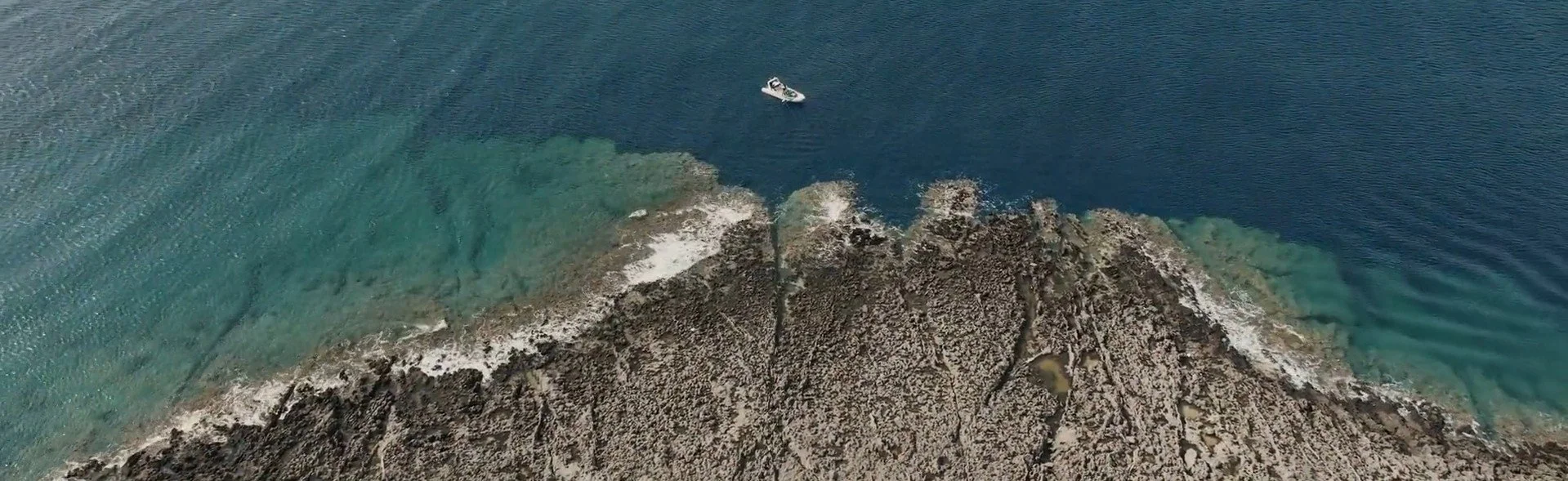
Location of the final resting place of the Mentor
Archaeological Investigation
Ephorate of Underwater Antiquities
The archaeological investigation of Mentor is conducted by Greece's Ephorate of Underwater Antiquities, the branch of the Hellenic Ministry of Culture responsible for the investigation and protection of Greece's underwater cultural heritage.
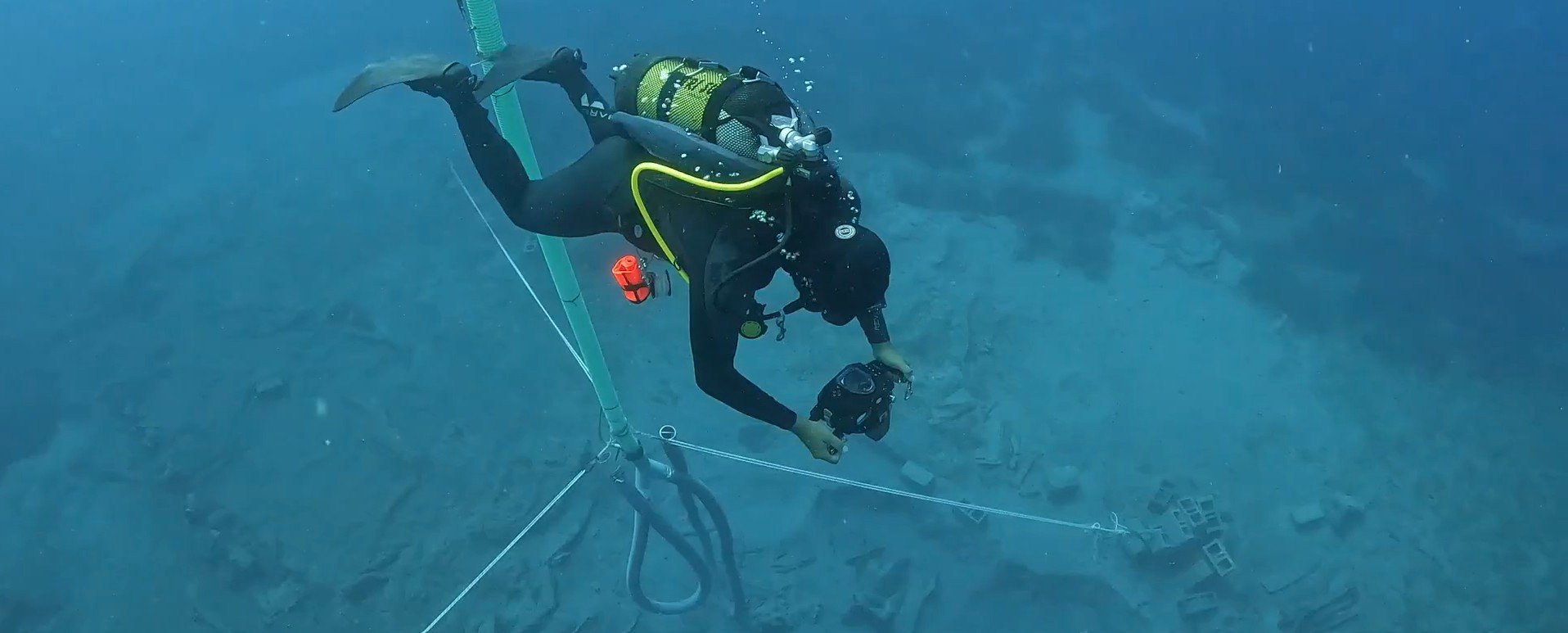
Underwater archaeology is painstaking work. Sediment must be carefully removed, artifacts documented in context, measurements recorded, discoveries conserved, and the archaeological relationships between objects understood before material is disturbed.
Each expedition adds another piece to the understanding of the wreck and the people associated with it.
The objective is not simply to recover objects. It is to preserve the information that gives those objects archaeological meaning.
HAES & the 2023 Expedition
Supporting Archaeological Research
Members of the Hellenic Archaeological Exploration Society participated in the 2023 archaeological expedition to Mentor.
HAES was established to support archaeology, scientific research, cultural-heritage preservation, and the application of modern technology to archaeological investigation.
The Mentor expedition provided an opportunity to work directly alongside professional underwater archaeologists and gain firsthand experience with the challenges of conducting archaeological research beneath the sea.
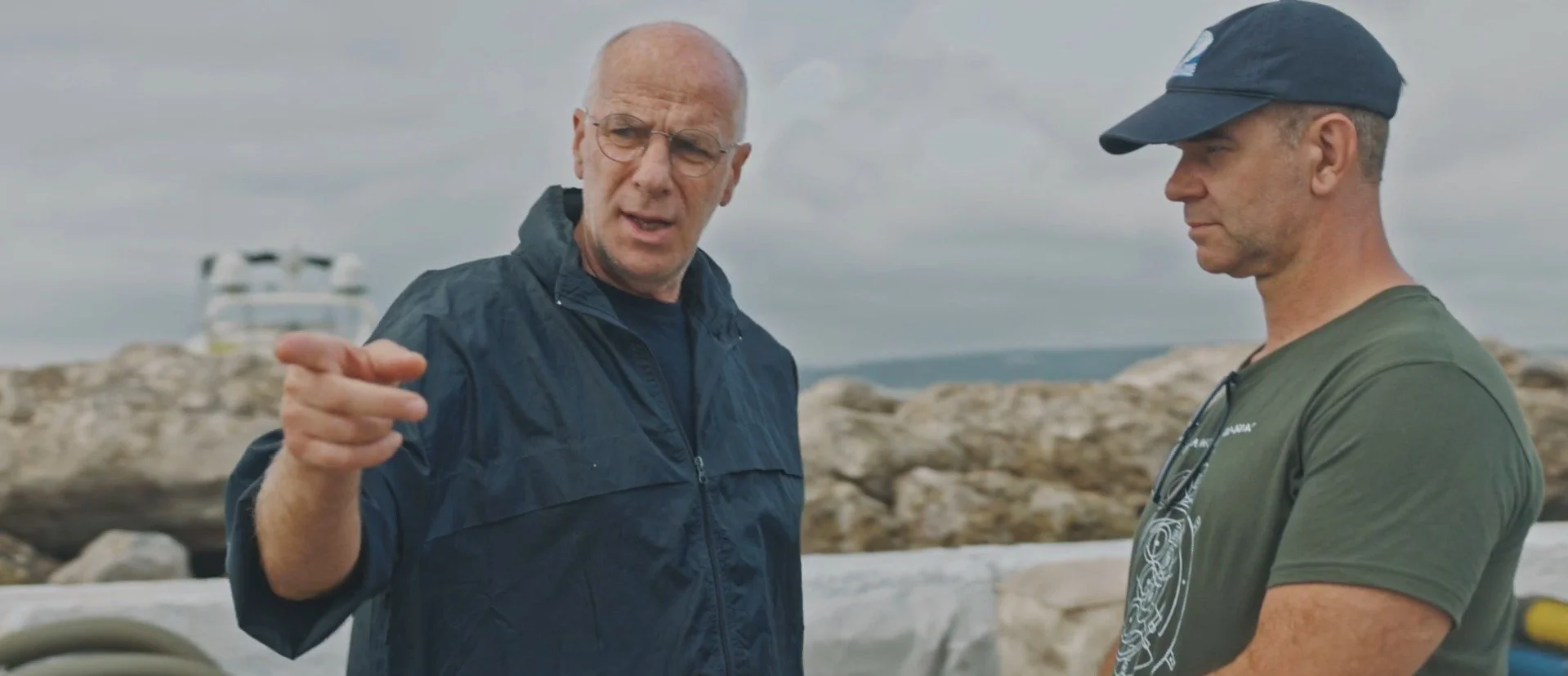
The 2023 Mentor Documentary
Bringing Underwater Archaeology to the Public
Most people will never have the opportunity to participate in an underwater archaeological excavation.
HAES financed and produced a documentary following the 2023 Mentor expedition to help bring the archaeological work, discoveries, and people behind the research to a wider audience.
The film provides a rare opportunity to see how an active underwater archaeological excavation is conducted and why continued research at sites such as Mentor matters.
In 2024, the Hellenic Ministry of Culture released the film to the public.
WATCH THE DOCUMENTARY
Supporting Archaeology & Cultural Heritage
The Mentor expedition represents one part of the broader collaboration between the Hellenic Archaeological Exploration Society and Ilios Remote Sensing.
HAES provides the nonprofit framework through which we support archaeological research, cultural heritage, education, and scientific collaboration.
Ilios Remote Sensing contributes technical expertise and reality-capture capabilities developed through commercial projects.
Together with archaeological authorities, universities, researchers, technical partners, and supporters, we seek opportunities where modern technology can make a meaningful contribution to understanding and preserving cultural heritage.
From archaeological excavation at Aigai to underwater research through Project eNiGMA, the objective remains the same: put appropriate technology and technical expertise in the hands of the people working to understand and preserve the past.
From Fieldwork to New Technology
Experience Informs Innovation
Participation in active archaeological projects is important to the development of new archaeological technology.
Understanding the practical challenges archaeologists face underwater helps ensure that new technologies are developed around actual research requirements rather than technology for its own sake.
Dive time, depth, visibility, positioning, documentation, site disturbance, equipment deployment, and the ability to return accurately to features of interest all influence how underwater archaeological research is conducted.
Through Project eNiGMA, HAES and Ilios Remote Sensing are exploring how ROVs and advanced remote-sensing technologies can complement traditional archaeological methods and extend the capabilities of archaeological teams.
Technology should serve the archaeology—not the other way around.
For More Information
Click on the logos below for more information on the respective projects and organizations